Expenses Of Storage Space

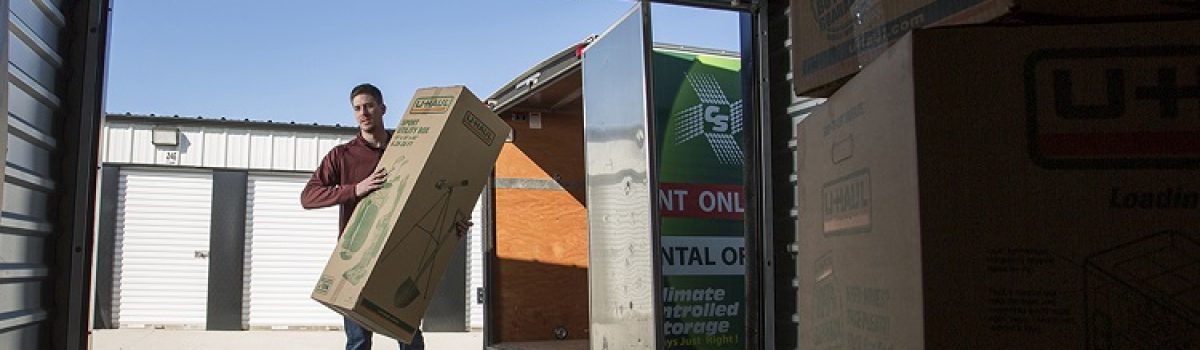
Renting a storage space as one goes about their relocation is usually a good idea, and it can help spread out the assets one haves in an ideal way. However, bear in mind that renting storage units comes at an additional price thus one should be capable of accounting for this before settling on one. Transporting the possessions from the abode and to storage is similar to the moving process, so another thing to worry about is the cost of moving them there. In case you have no idea what these costs are, movers Richmond Hill have listed a couple of them for you.

  1. Moving into self- storage

This is the most widely used form of storage. A lot of what goes into this is do-it-yourself since one will have to perform their move and transport their oddments to the place on their own. Sometimes going by the stowage providers one has settled on, they could give their clients some discounted moving services, mostly as an inducement to get them to use their units. Nevertheless, this doesn’t mean that everybody is qualified for this as there will be some limitations, particularly on the time or dimensions of the move.

  1. Moving and storage providers

As one gets ready for a move, they will most likely also require storage, and what better way to kill two birds with one stone than to get a crew that gives dual services? There are also quite a few pros of joining moving and storage, besides the fact that one will only have to deal with a single crew and not a bunch of different people. Most movers nowadays give full-service storage, and all one needs to do is pay for the space they take up. Furthermore, these double- service movers will give discounts to individuals who decide to pair the two services.

Even so, there is a drawback to this since this sort of storage regularly does not have easy access. If an individual wants to get into their unit, they will be needed to make prior arrangements for their goods to be conveyed to them. Even with the pros in mind, this can be a major problem.

  1. Other costs of obtaining storage

The chief advantage of receiving full-service storage is spatial liberty. This means that the spot your items use will be calculated per object, and so one will not have to pay for space that they will not use. One major problem that self-storage users run into often is that sometimes they could be in a fix between picking a big room which is expensive or going for a smaller one that they can effortlessly pay for but will not be able to fit in everything they want to keep. Most individuals find it annoying to have to pay for space they neither need nor have any use for.

We recommend you to read “Cash Saving Ideas For Your Moving Project” and “Ideas On Downscaling for a Move”.


Cash Saving Ideas For Your Moving Project

It is common knowledge that moving can be a costly undertaking. This is because of everything that goes into it such as getting boxes and other packing implements, hiring proficient movers, asking for leave from work and the time needed to plan and check that all is in order. Most people find that all this has made a huge dent to their accounts and so they are always looking for ways to spend less and save more while still getting a good experience out of it. As movers Aurora, we understand how crucial it is for our clients to save and so we have some great tips on how one can do just that.

  1. Time is money for movers

The first thing one needs to know about movers is that they start the charges according to the time they will use. The fewer hours spent on the task, the less cash you spend. To be certain of this, do whatever you can handle by yourself before they arrive such as packing, clearing driveways and even dismantling furniture. Also, once they get there, it is best to not get in their way as they already have their organized methods, and disrupting them will only mean spending more time there, and you end up saving less.

  1. Additional ways to save with movers

While time largely affects the overall cost of moving, it is not the only thing that one needs to account for, especially if they have hired movers. Other things that can help save cash are like getting boxes and other packing implements ahead of time and in bulk and throwing away or donating unnecessary items. The latter comes especially in handy since moving companies also charge according to how heavy your knickknacks are.

The activities of the D-day are also not the only thing that contributes to the total cost. The day and time will also play a role. We always advise our clients to book movers on periods of the year when it is not as busy as peak season relocations are expensive. Also getting in touch with the movers in advance, say six to eight weeks can also be helpful.

  1. Saving cash DIY

Sometimes moving on your own can be the best way to stay clear of spending too much money. A DIY moving is inexpensive, but for people who are new to this process and haven’t done it before, it can be very easy to make lots of mistakes, which in the long run can cost you even more than it would have added up to if you had hired a professional moving team. A couple of these mistakes are getting parking tickets, ruining your goods, damaging the buildings, rental fees for the truck and other items and also personal injuries. The charges from any one of these may be great, so if one is planning a DIY move, it is crucial to remember all that.

The amount of money spent on fuel and renting a truck can fluctuate depending on the weight of your possessions, so just like hiring a moving crew, downscaling and getting rid of anything that you do not need will help cut down on costs. The fewer things one has, the smaller the truck they will need, which means less money spent.

  1. Bonus advice

Stay away from purchasing things that you use on a daily in a panic. You can do this by checking that you have packed them in a separate box and tagged them. This includes items like shampoo, work outfits, toothpaste, alarm clock, etc.

We recommend you to read “What To Think Of When Searching For Storage Ideas” and “Tips On Relocating Musical Instruments Safely”.

Tips On Relocating Musical Instruments Safely

Each instrument is unique regarding shape, size, material, and function. Because of this, the way they require to be handled to ensure their protection is different and there is no set way of moving them all. This should however not worry you as movers Newmarket have some general guiding tips to assist you with the process.

  1. Use the correct boxes to carry the instruments

Packing the items in proper boxes is always the first line of defense for keeping them safe in the course of the move. It is even better if you still have the original boxes that they came in. Just in case you no longer have them, that’s okay since you could get some at any local instrument stores.

  1. Make sure there is enough padding

Put in as much padding as you can especially around the edges of the instrument. This helps to keep it safe from any dents and scratches if it accidentally moves around as it is being transported. Add a little extra on the sharper corners as they are the most susceptible to damage especially when they are being carried out of the house as they may bump into walls and other objects. Most instruments have hollow parts, which should also have padding put in (one can use pillowcases, clothes or other soft materials).

  1. In the process of and after moving your instruments

If you decide to move the instruments via air transport, ensure that you have gotten in touch with the airline you wish to use and inquire about how they handle such moves and what are their policies. Not all airlines are the same, and some will be more willing to assist you than others. Nonetheless, be ready to give out a little extra cash if you plan on having the instrument as part of your carry-on luggage.

For stringed instruments such as guitars, check that all the strings are loosened before you get on the plane. The change in temperature and air pressure can make the strings tighter, and in some occasions, the headstock may end up breaking. On arrival, avoid using the instruments for a day or more to let the strings get used to the temperature and atmosphere of the place.

  1. Proper planning is always best

Carry out proper research and get to know the correct way to handle each item beforehand. Also make sure that you have all the implements that you need as you begin the process, that way you won’t waste any time looking for things in the middle of packing. Once you have come up with a proper plan and scheduled enough time to box up the instruments, then you will be able to have everything ready by the D-day. Also, talk to the crew you have decided to work with and get to know how they go about moving such items. Due to this, it is vital to work with professionals.

We recommend you to read “Relocation Made Easier With Expert Aid” and “Ideas On Downscaling for a Move”.

Ideas On Downscaling for a Move

Relocating is a difficult process to get through, and apart from the things that you can take care of, you will undoubtedly require some assistance. The part of the process that most people dread is the packing up of belongings, putting them in the trucks, and then having to unpack when they get to their new destination. The biggest headache comes when the possessions fail to fit in the new abode.

This shouldn’t worry you because all you need to do is do away with most of the articles. Just in case you do not know how to go about this, cross-province movers Oshawa have come up with tips to help you out.

  1. Begin sorting ahead of time

It is vital to start this procedure way before the packing starts so that you can evade packing any unwelcomed item. This also gives you adequate time to decide what to keep and what not to.

  1. Work with the pilling criteria

The most recommended way to get through cataloging is to keep items in piles of similar bits and pieces like kitchen apparatus, clothes, furniture, etc. this will help you see where you need to declutter. Divide each of these piles into necessary items, and effects that will be thrown away sold or donated.

  1. Store things according to the design of the new abode

The way you set things in your old house won’t be the same way that you do in the new one, because space is different. One should also measure the doorways and floors of the new place to check if their furniture and other items will fit. After knowing what will go where it is easy to tell what won’t be needed and therefore needs to be gotten rid of.

  1. Get your friends and kin to help

Sometimes you may have some items that have been passed down through the generations or duplicates of several items. One can reduce the amount of stuff they have by giving out such items to other family members or even mates.

  1. Auction the items

Apart from helping you declutter, this is a good way to get some extra money. Nonetheless, without the proper tools and preparations, this can take up a lot of time. Most environs hold yard sales so you can take part in one as well as post your items online. For clothes, one can look for a local second-hand clothes shop and check if they would be up for a trade. Also, online platforms such as eBay, Facebook, and other online apps can be of great help when it comes to selling your knickknacks.

  1. Donate what is left

What may seem to be junk to you may be helpful to someone else. Look for places such as Goodwill, Red Cross, The Salvation Army or even a local library where you can take anything that does not get bought. You can also place stuff in a box labeled free and put it outside your door for any interested party.

  1. Rent storage lockers

During this process, it is recommended to put your goods in a temporary storage unit instead of throwing them away or selling them. This can also come in handy if overhauls are going on in the house and you are staying in a smaller apartment in the meantime. Whichever the reason, getting permanent or temporary storage is a good way to avoid overcrowding your home with useless items.

We recommend you to read “What To Think Of When Searching For Storage Ideas” and “Steps To Get Your Domesticated Animal Ready For A Cross-Country Move”.